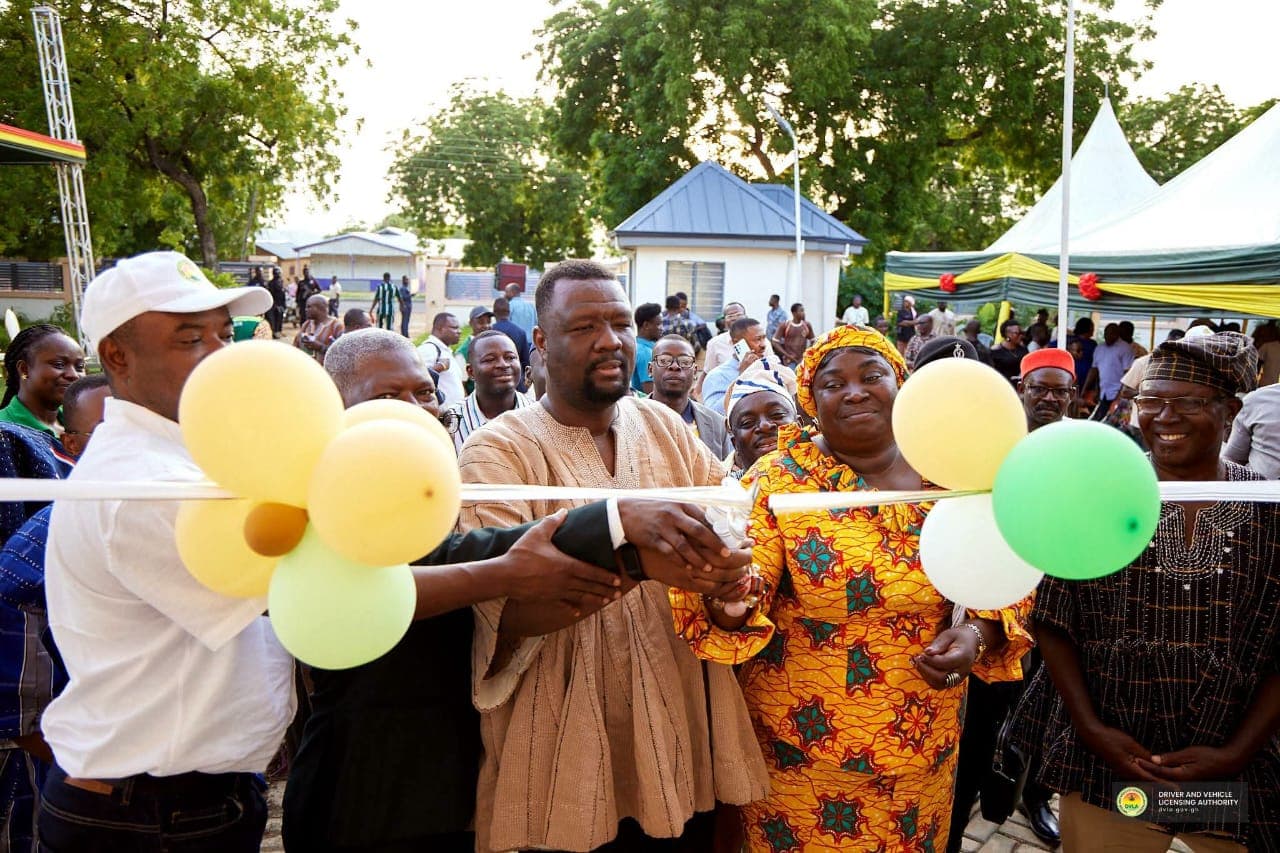

The week-long tour,
led by the Chief Executive of DVLA, Mr Julius Neequaye Kotey, brought together
his deputies, members of management, Members of Parliament for the various
constituencies, Municipal and District Chief Executives (MCEs) and traditional
rulers, who graced the ceremonies across the regions.
At each of the newly
commissioned offices in Salaga, Tumu, Nalerigu and Navrongo, DVLA officials
took the opportunity to engage residents on the introduction of the new
RFID-enabled number plate, walking them through the technology's key features
and the onboarding process required to transition existing vehicles onto the
new digital system.
The sensitisation formed part of a broader public education campaign aimed at ensuring smooth, well-understood adoption of the new plates ahead of nationwide rollout.
A similar engagement
was held in Tamale, where the Authority briefed transport unions, drivers,
vehicle owners and other industry players on the RFID initiative, reinforcing
the message that the transition is designed to enhance security, curb fraud and
modernise vehicle identification nationwide.
The tour which
culminated in a sod-cutting ceremony at Bole was performed jointly by the Chief
Executive and the traditional leaders of the area, to formally break ground for
the construction of a new DVLA regional office in Bole.
Speaking at the
ceremony, Mr Kotey indicated that the Bole office would bring DVLA services
closer to the people and deliver the full range of the Authority's services to
residents who have long had to travel to access them: vehicle registration and
driver licensing activities.
He described the
project as part of a deliberate programme of infrastructure expansion that DVLA
has been pursuing in alignment with President Mahama's Reset Agenda a
commitment, he noted, to rebuild institutions, restore public confidence and
ensure that government services actually reach citizens.
The Chief Executive
used the occasion to reaffirm DVLA's commitment to decentralising its services
and bringing licensing, registration and related processes within closer reach
of communities across the country, while urging residents in the newly commissioned
districts to take advantage of the services now available to them.